Project Builder vs Custom Builder: How to Make the Right Choice for Your Home
One of the first choices everyone has to make when constructing or renovating a house in Sydney is between a project home builder and a custom builder — and it is perhaps among the least understood choices. Both paths need a builder, a contract, and a completed home at the end, but the process, the cost, and the control you have over the final result are vastly different.
Put simply: a project builder builds a home from a set of pre-designed, repeatable plans scaled for efficiency, while a custom builder designs and builds from scratch to meet the needs of your block, lifestyle, and budget. Neither is better in every situation — it depends on the outcome you're after.
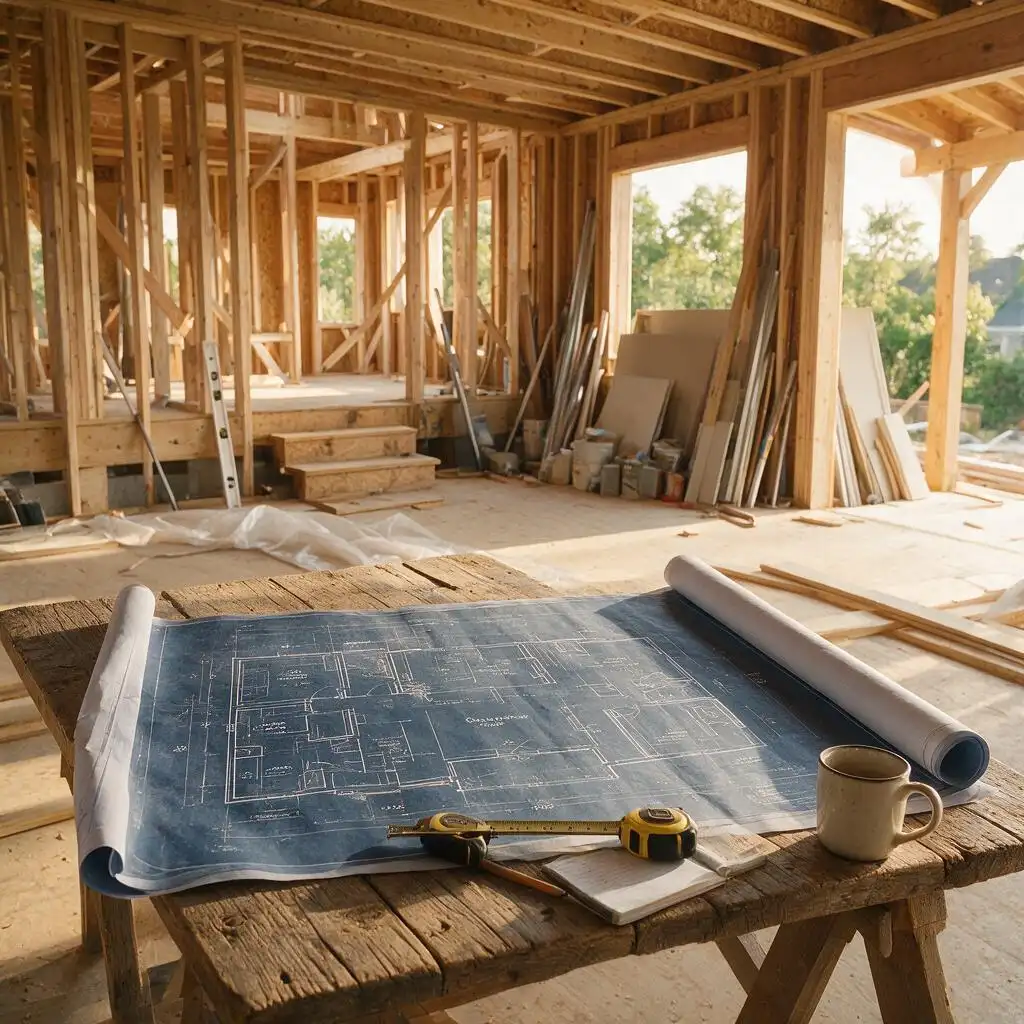
A Quick Story: Why This Question Matters
A family from Western Sydney approached us a few months ago, having signed on to a large builder's home project in Marsden Park. The deal looked good on paper: a fixed display price, a fast build time, and glossy brochures full of options. What the standard design didn't account for was their block's fall and drainage access. Every “custom” change they asked for came back as a high-cost variation, and by the time site costs were finalised, the price had climbed by tens of thousands of dollars.
They didn't hate project builders — they were frustrated that nobody explained the difference between a project home builder and a custom builder before they signed. That gap is exactly what this guide closes.
What Is a Project Home Builder?
A project builder — sometimes called a volume builder — builds a home from a predetermined series of designs. Those designs are simplified and repeated across many homes, which keeps costs and timelines predictable: plans that already exist with only minor modifications allowed, valued inclusions packages for fittings and finishes, a strong fit for regular, flat blocks, and faster delivery thanks to bulk trades and materials.
Pricing is generally set per square metre at a reduced rate, and customisations quickly make up the difference. For simple, standard blocks and buyers who don't want a back-and-forth design process, project builders make sense. The downside is flexibility — on irregular, sloped, cramped, or heritage land, a standard layout can require major, costly adjustments.
Who Are Custom Builders?
Working with a custom builder starts with a blank sheet of paper. Rather than your land being adapted to fit a fixed design, the design is built around your land, your budget, and how you'll actually live in the home: custom floor plans specific to your block and orientation, full input on layout, structure, and material finishes, a strong fit for unusual shapes, sloping sites, narrow lots, or heritage areas, and ongoing design and construction input from the very start.
Pricing reflects the actual scope of your project rather than a packaged rate. Every detail — from window sizing to ceiling height — is considered for your specific project rather than pulled off a pre-arranged list, which is exactly what “custom builder” is meant to describe.
Project Builder vs Custom Builder: Side by Side
| Project Builder | Custom Builder | |
|---|---|---|
| Design | Fixed catalog design | Built to suit the client's site |
| Flexibility | Limited and costly to change | Built into the process |
| Best Suited For | Standard blocks, fast builds | Sloping, narrow, or unique blocks |
| Communication | Through sales/display staff | Direct with builder/project lead |
| Pricing | Lower base price + variations | True reflection of project scope |
How to Decide: Choice Home Builders
There's no single right answer — it depends on your block, your budget, and how much control you want over the finished product. A useful rule of thumb: on a fairly standard, level block in a new estate, a project builder will usually get you into a home faster and at a lower headline price. If your land has slopes, drainage issues, heritage constraints, or an unusual shape, a custom builder can save you from costly redesign fees down the track.
Before you agree to anything in writing, request a detailed, itemised quotation from either type of builder so there are no surprise variations later. A custom approach is almost always required for a renovation or extension of an older home, since no two existing homes are the same. Not every builder is right for every job — a good project or custom builder will tell you honestly where your project fits.
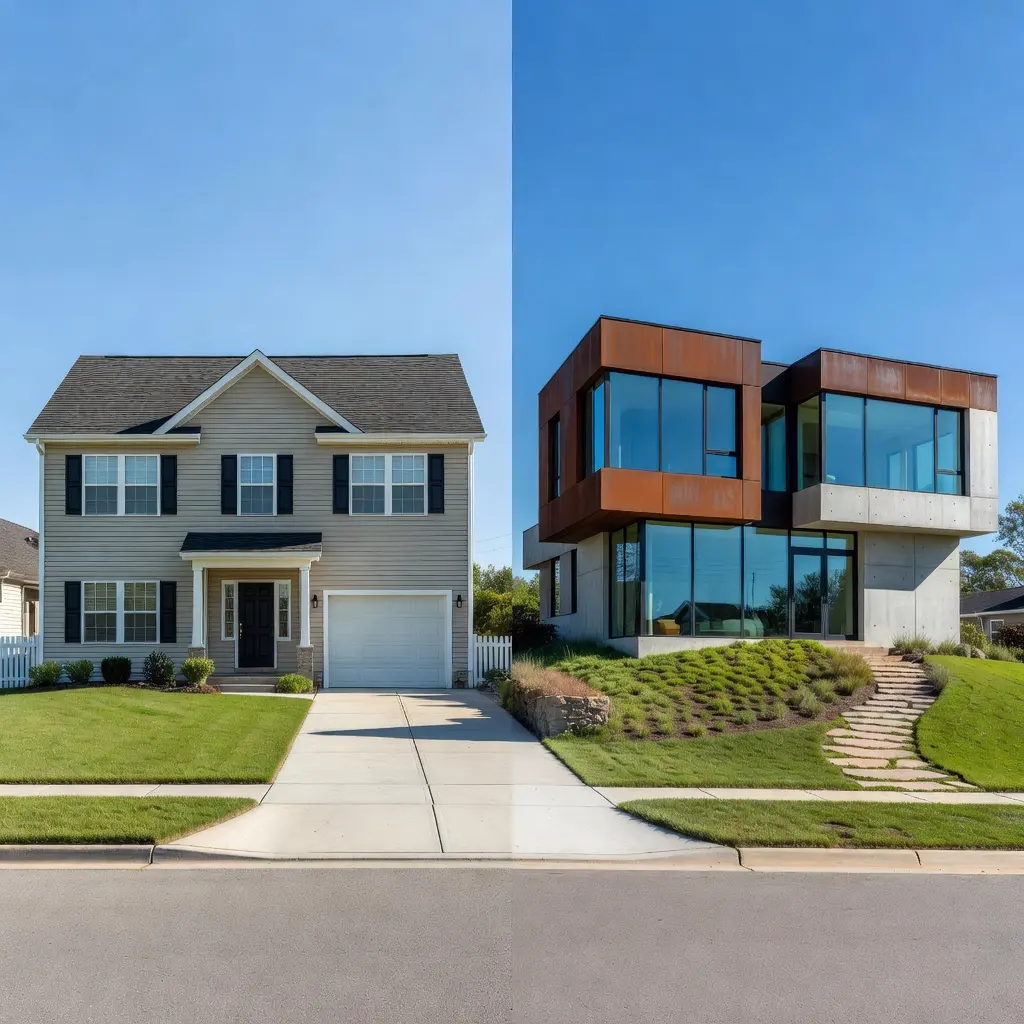
How Ultra Industries Approaches This
At Ultra Industries, we're a multi-trade construction company based in Sydney, and we don't try to fit every client into one mould. Whether it's a new house design, a full renovation, a home extension, or a block-specific structure project, we study the site first and choose the right approach for the project — not the easiest one to sell. Every project begins with a clear, defined price quote covering scope, materials, and cost, with no hidden variations later.
We've built homes and completed renovations in Doonside, Blacktown, Parramatta and beyond. The family from our story, with their sloped block, chose a tailored build with us after finding their original assessment was inaccurate. The completed house wasn't just better suited to the land — it also cost less than the “customised” version of their project builder's quote. Timing your build well matters too — see our guide to the best time to renovate in Sydney.
Final Thoughts
The most important thing you can do before entering a Sydney building contract is understand how a project home builder differs from a custom builder. Standard blocks build faster and easier with a project builder. Custom builders can bend and measure precisely around the limitations of a difficult site. Successful building comes down to knowing which fits your project before you sign, not after. If you're also weighing internal changes to an existing home, our partition wall cost guide is a useful next read.
Request a site assessment if you're unsure which path suits your block. There's no cost in asking, and it could save you thousands of dollars.
Frequently Asked Questions
Can't find your answer?
Ask us directly →What's the main difference between a project builder and a custom builder?
A project builder works from fixed, repeatable house designs, while a custom builder designs the home specifically around your land, budget, and preferences.
Are project builders cheaper than custom builders?
Often, the base price is lower, but variations for non-standard blocks or design changes can quickly close the gap. A custom builder's quote usually reflects the true cost upfront.
Can a custom builder work on a standard, flat block too?
Yes. Custom builders can take on any block type — it simply means the design process is tailored rather than selected from a catalog.
Is Ultra Industries a project builder or a custom builder?
We work on a project-by-project basis across new construction, renovations, and extensions in Sydney, assessing each site individually rather than applying a single fixed design model.
How do I know which type of builder is right for my block?
Get a site assessment. Sloped, narrow, or irregular blocks generally suit a custom approach, while flat, standard blocks in new estates often suit a project builder.
Do project builders and custom builders both provide fixed quotes?
They should. Always ask for a detailed, itemized quotation covering scope, materials, and costs before signing with either type of builder.
Not sure which builder is right for your block?
Talk to our team for an honest site assessment and itemised quote before you sign with anyone — no vague packages, no hidden variations.
Get a site assessment